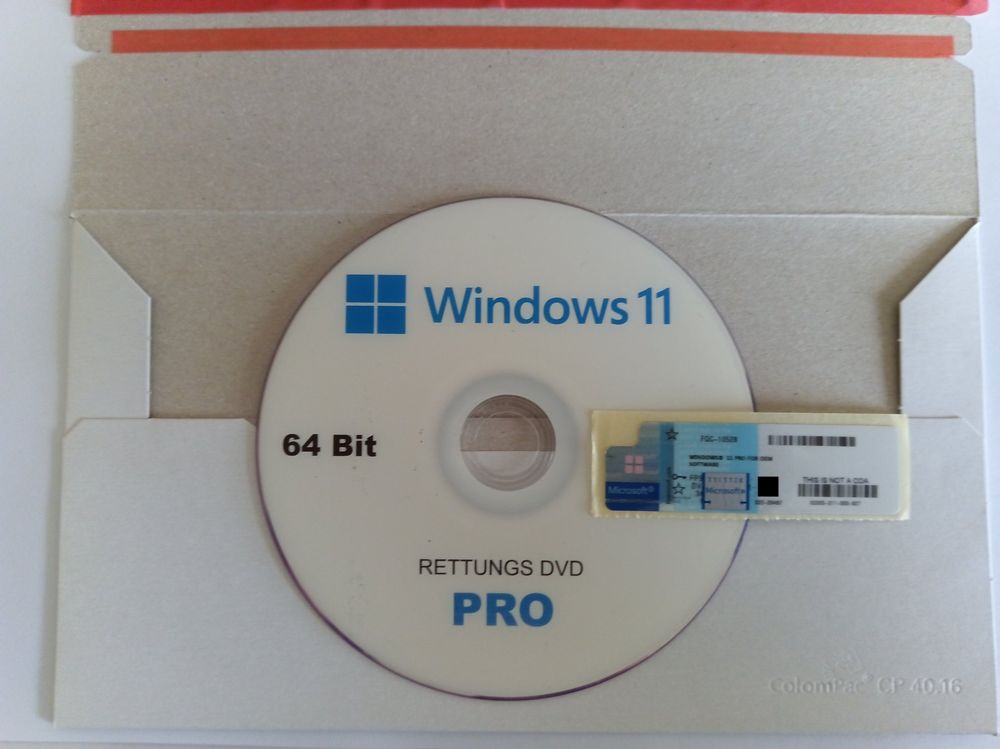
20 Best Insights For Evaluating Windows 11 License Sites
In small companies Finding the cheapest software key online isn't "cost effective". It's about investing in a strategic way that reduces risk over the long term while ensuring compliance. It also grows with the business. Inconsistent purchases of grey market "windows 11 OEM" keys and office lizenz form an unsecure, weak and insecure IT foundation. Understanding the way Windows licensing, Office subscriptions and even security software interlocks create an efficient system that is efficient and cost-effective. This guide goes way beyond just comparing costs to look at the ten most important factors to consider when building a sustainable, professional and ultimately, affordable business software environment.1. Windows 11 is not suitable for a business.
The most common and expensive mistake is purchasing a cheap windows 11 home key to install on a business computer. Windows 11 Home does not permit the joining of an Active Directory or Azure Active Directory domain. Additionally, it does not support BitLocker to protect sensitive data. It also triggers disruptive updates. For any machine handling business data, `windows 11 license" must refer to Windows 11 Pro. Security, controlability and professional credibility are not negotiable despite the modest cost of Windows 11 Pro. Businesses that use Home licenses are operating on the latest software for consumer use, which could be a liability.
2. Calculator to calculate "Hardware Refresh".
If you're purchasing Windows 11 for business use then your choice between OEM and Retail has long-term consequences. An OEM license is more affordable initially, but it expires on the computer it was first installed on. A retail license is transferable. OEM is ideal for budget PCs, which you replace in full every 3-4 years. Retail licenses will save money if your workstation is more expensive or you upgrade your components in a separate manner. Calculate the TCO (Total Cost of Ownership): If a PC has a lifecycle price of $800 and if an OEM Pro licence is $140 instead of Retail at $200 then the $60 Premium for Retail is essentially 'insurance' for future flexibility.
3. Microsoft 365 Ecosystem : The real cost-effectiveness is here.
Microsoft Office 2021 is no longer the only option for companies that are growing. Microsoft 365 Premium Business Edition (approx. $22/user/month) is often the most cost-effective bundle. It includes: Windows 11 Pro upgrade rights (solving your `windows 11 lizenz kaufen` need), the full Office suite, 1TB OneDrive cloud storage, business-class email, and--crucially--Intune for device management and Azure AD for identity. This subscription is legal for all desktop products and offers management tools that aren't available with standalone software. It transforms IT costs from capital expenditures (CapEx) into predictable operational expenses (OpEx).
4. Windows 7 Upgrade: Compliance and Security Mandates
Businesses who are still running windows 7 face the threat of a bomb that is not supported by applications. It's not just about adding new features. Upgrades also require complying with security and compliance demands. The path forward isn't just purchasing a brand new windows 11 lizenz`. It's time to reconsider the way you use software. Migration from Windows 7+perpetual Office to a Microsoft 365 Business subscription-powered device modernizes security and provides cloud backup. It also facilitates remote working. The cost is the subscription and not just an OS key.
5. Knowing "CAL" Shadow costs to future growth.
If you are planning to use an on-premise server, such as Windows server 2025` for database sharing, file sharing or line-of-business apps You must plan for Client Access Licenses (CALs). Each device connected to the server needs the Client Access License (CAL). This cost is separate from the Windows Pro desktop license. Small businesses that plan to expand should think about the CAL option as part of their long-term budget. Windows 11 Home is not suitable for business use and cannot access Windows Server. Unlicensed software access or Windows 11 Home can cause grave compliance issues during an audit.
6. Security Integration: Bundling vs. Best-of-Breed.
Windows Defender's inclusion, or a third-party software suite, such as Kaspersky premium or Norton 360 can affect licensing requirements. Microsoft 365 Premium offers enhanced Defender security as well a central threat management system. A separate suite from a third party may be redundant, and can add costs and administration overhead. If you're looking to find a solution that meets the requirements of your particular regulatory environment, or if you want to utilize a third-party platform, then a consistent system is crucial. A single license for multiple workstations could be cheaper and more manageable than patchwork. In the field of security, the "cost" is typically the time it takes to manage multiple systems and not the subscription costs.
7. Grey Market Trap - False market economy in licensing
On the unofficial market there are prices that seem too good could be real. These are typically volumes license keys, OEM keys violating terms, or keys from other regions. They are able to be removed by Microsoft which leaves the user with insecure, unlicensed software and potential fines during an audit. This can be a very risky scenario for companies. If you want to get the most value for your money, purchase from an authorized distributor or through the Microsoft Cloud Solution Provider program. You will receive full support and upgrade rights.
8. Perpetual Office The Niche for Static and Air-Gapped Scenarios.
Office Professional 2021 is a prime example of a standalone perpetual "office lizenz" that is limited in its use case. It is designed for a machine which will never require cloud services or an administration system. It also has the identical features for at least five years (until it ends support). This is rare. For small-scale businesses that need collaboration (Teams, SharePoint), cloud storage for files, and mobile access, a subscription model is far more functional. The "cost" of a perpetual license is locked-in software and a lack of productivity benefits through cloud-based services.
9. Modeling Mobility Device Based as opposed to. User Based Licensing.
The old licensing model was device-bound. (One Windows 11 OEM license for each PC). Microsoft 365 offers a modern user-centric model. A single user license is able to cover up to 5 devices (PC, Mac, tablet, phone). This is a good deal, particularly for businesses that have mobile workers, hybrid employees or have a laptop and the desktop. The person is licensed, not a machine. When planning your licensing strategy, think about your actual workforce mobility. If you compare it to a model which relies on hard-to-move devices, a user-based subscription will significantly cut down on the number of licenses you require.
10. Building an Coherent Stack for Audit-Readiness.
The aim of a modern small-sized company is to build an application stack that is straightforward, well-documented, and legally consistent. The most economical model for modern small businesses is often: Microsoft 365 Business Premium (per user) for Windows 11 Pro, Office Management, Security, and a few others. + Legitimate Retail or OEM Windows 11 Pro licenses for devices that are not covered by the subscription (e.g. designated kiosks) + An unified, well-managed security system (either via Defender within M365 or a centralized third-party application). The stack is audit-ready, adaptable and predictable. The hidden cost of chaos are the "costs" which this stack eliminates: downtime caused by incompatible systems; data loss due to inadequate security; and the risk of legal liability arising from non-compliance. Follow the recommended windows 11 lizenz kaufen for site examples including windows and office, office 2016 software, office2019 download, microsoft ms office 2016, key 365 office, office 365 office key, windows and office, visio software download, office2019 download, windows and office and more.

Understanding Windows Server 2025 Client Licenses For Businesses
The deployment of a Windows server 2025 represents significant progress for growing enterprises, changing the network from peer-to-peer computers to a centrally-managed IT infrastructure. Most often, however it's an expensive mistake since it does not involve the server itself but rather the Client Access Licenses. They are not an option; they constitute the legal and technical base of Microsoft's server ecosystem. Incorrectly licensing client access can lead to IT projects being derailed and severe penalties for compliance in an audit, and a chain dependency that impacts everything from your desktop OS choices to your security and productivity software. This guide will help you understand the ten crucial interconnected concepts that every company must grasp when planning for Windows Server 2025, illustrating how server licensing dictates your entire desktop environment's structure and legality.
1. The Server License is the same as the Entry Fee.
If you purchase a Windows server 2025license you are buying the right to install and run the server application on a virtual or physical computer. It is important to note that this license does not grant any user or device access to it. The right to connect is purchased separately using CALs. Think of it like a concert: buying the server license is renting the stage and venue. You'll then require an CAL (a ticket) for every single individual (User CAL) or gadget (Device CAL) that will enter to enjoy the show regardless of whether they're actually listening or sitting back in the back.
2. CALs and Desktop OS Legality: An Indivisible Couple.
It is illegal to legally use a client Access License (CAL) to allow access to clients running an operating system that is illegal. It is futile to buy CALs when your workstations at your company are activated by a grey market "Windows 11 oem" key obtained from an "Windows 11 lizenz purchase" discount site. Microsoft's licensing requirements require that the OS running on the client be licensed correctly. An audit will first invalidate the desktop licenses, making the CALs--and potentially the server access itself--non-compliant. It is crucial to ensure that the entire stack is in compliance, starting with desktops and all the way to servers.
3. The decision between the CAL of the Device and User Modeling the Workforce.
This decision can have financial consequences. A User CAL allows one named user to access the server via any number of devices (e.g., their laptop, desktop, as well as a tablet). A Device CAL grants the use of a specific device (e.g. workstations shared on factory floors) by any number of users. The ideal choice for your business depends on how you use the device. A mobile workforce with multiple devices per person makes user CALs more efficient. Device CALs become cheaper when shift workers use dedicated terminals. It is crucial to understand your actual usage. Combining different types of devices is allowed, however it complicates the management.
4. Windows 11 Home Is Technically and Legitimately Incompatible.
A machine running Windows 11 Home cannot natively join a traditional Active Directory domain, which is the core function of Windows Server. It's an illegal licensing violation even if there was an alternative solution. Thus, any device needing to authenticate against or utilize services (like printer and file share queues, etc.) from a Windows Server 2025should be running Windows 11 Pro, Enterprise or Education editions. A Windows Home Key for any type of business computer is a waste of money even if a server deployment in the future is even feasible.
5. The Security Management Nexus.
A well-designed Windows Server environment with CALs can enable centralized deployment of security policies through Group Policy. This will help cut down on the costs and configuration requirements of standalone security software. This means that rather than manually configuring “kasperskyor "norton" on each of fifty machines Policies could be pushed to the same settings. By leveraging the server as a managing platform, you'll be able to increase the value of your security of your endpoints more effective and efficient. The CAL license is what allows the managed connection.
6. The Office License Synergy in a Server Environment.
There is a good chance that you will have users who access shared files if you are running Windows Server 2025 for printing and file storage. Microsoft 365 is impacted by your choice between office lizenz (perpetual Office 2021) and office lizenz. Microsoft 365 Business Premium/Enterprise has Azure AD that can sync up with your Active Directory on-premise, as in addition to Intune, for device management. It creates an Identity Model that is hybrid, which simplifies secure access to resources in the cloud (Microsoft 365 apps) and on premises (Server 2025) The subscription typically offers a more seamless integration than standalone perpetual licenses.
7. The "External Connector" License Alternative for Public Access.
CALs only apply to your internal devices and users. If you must give access to the server to users outside of your organization, such as FTP users who are not anonymous or customers using a web portal hosted on your server, you are unable to accomplish this using CALs. You should instead buy a Windows Server External Connector license (EC). This is a flat-fee licensing that is connected to the server, allowing unlimited access to external users that are anonymous. This distinction is important to recognize and avoid massive compliance issues for public-facing service deployments.
8. The CALs used are specific to a specific version, however, they can be upgraded.
You purchase Cals (e.g. Windows Server 2020 CALs) for a specific server version. These CALs are able to connect servers running the version in question or any earlier version. Thus, 2025 licenses can be used to connect servers from 2025 to 2022, or 2019. The CALs aren't functional for the future versions of Windows Server. If you do upgrade to "Windows Server 2029," you will need to purchase a new set of CALs to support that version. It is important to include this in your IT budgeting.
9. Virtualization and CALs. The "Every Access" rule.
Virtualized environments require CALs but they are based on the access and not the virtual machine itself. If you plan to have 50 users use a file-sharing application running on a virtualized instance windows Server 2025, you'll need 50 CALs per user (or the correct number of devices CALs) for each device they are using. Your CAL requirement is not affected by the number VMs that you have running; it is determined by the number of devices or users are using the VMs. This helps avoid over-spending for complicated virtual configurations.
10. The TCO Reality: Much more than the sticker price of servers.
The business case for Windows server 2025` must include the complete licensing stack, which includes the server license, the required CALs for all users/devices, and the necessary upgrade of all client computers to Windows 11 Pro (if not already). The comparison of cloud alternatives (such as shifting file shares onto SharePoint and utilizing Azure Active Directory) requires you to calculate the initial capital cost (CapEx) in addition to the ongoing cost of running physical servers. For small - to medium-sized companies cloud subscriptions are more cost-effective than buying servers and paying for windows Server 2025 licensing. The decision is economic and architectural and not only technical. Have a look at the recommended norton 360 for site info including windows & office, microsoft office key, ms visio, product keys, product keys, micro soft outlook, microsoft office key, microsoft 365 key, windows office, microsoft project and more.